

 : 3 Jul 2026 , To the Arctic in a balloon , volume 71,
N1
: 3 Jul 2026 , To the Arctic in a balloon , volume 71,
N1
Medieval Lübeck: Harmony Within, Peace Outside
Displaced archival treasures from Hanseatic cities in Tomsk
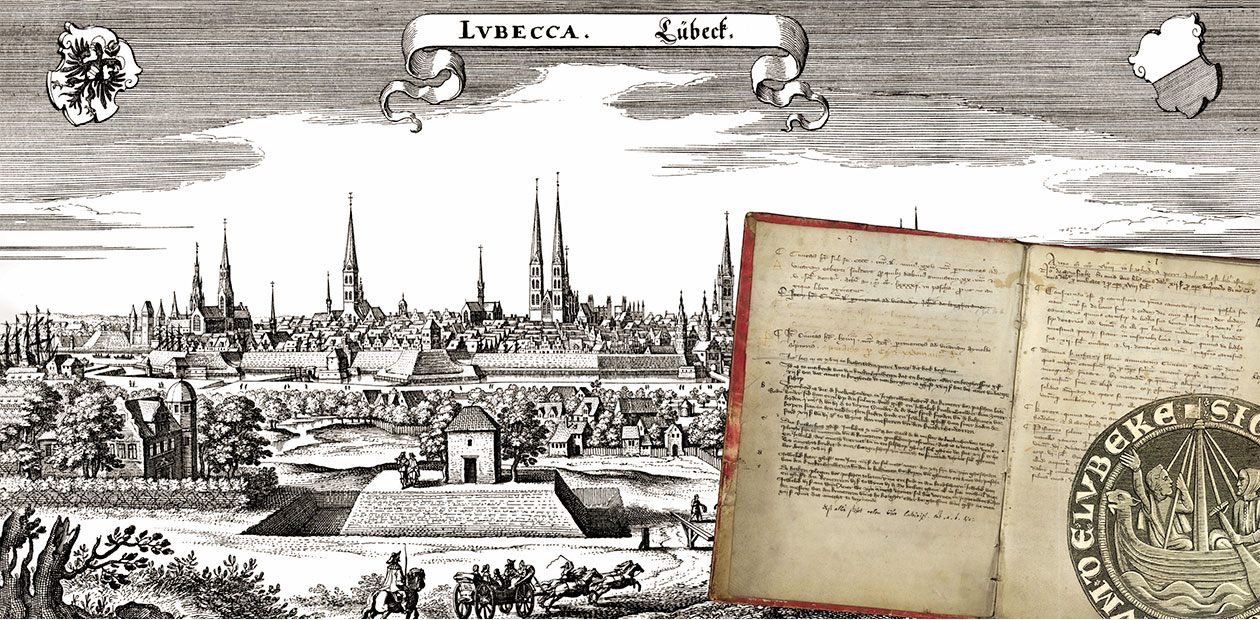
The German city of Lübeck – the center of the Hanseatic League, a major medieval trade and economic coalition known as the First European Union, – and Tomsk, the oldest city of Siberia, stand by more than 4500 km and centuries of history apart. Back in 2011, the author of this article fortuitously discovered that the library of Tomsk State University keeps a small collection of medieval Western European manuscripts, which arrived in Siberia by a circuitous route as part of “displaced cultural valuables” after the end of World War II. The most precious part of this collection is city books and documents from the Archive of Lübeck dated to the centuries of the zenith of the Hanseatic League. By studying these materials we can learn more about the life and social structure of medieval society, which displays quite a few historical parallels with the present times
In the early 1980s, the library of Tomsk State University received a “gift” – a large batch of foreign books, including a few medieval Western European manuscripts dating back to the 14th – early 16th centuries. The manuscripts were written either in Latin or in the so-called Middle Low German (Mittelniederdeutsch), widely spoken in the north of Europe in the 12th to 17th centuries.
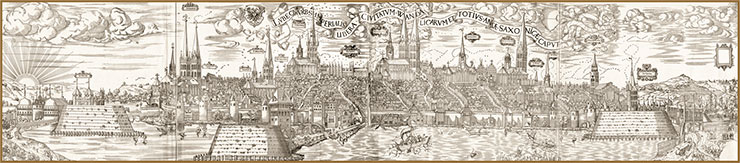
As regards the origin of the books, they were, officially speaking, “displaced” German cultural treasures or, simply, trophies. Before World War II, the medieval materials from this accession were preserved in the archives of the North German cities of Lübeck and Hamburg, and one of the manuscripts came from the East German city of Halberstadt.
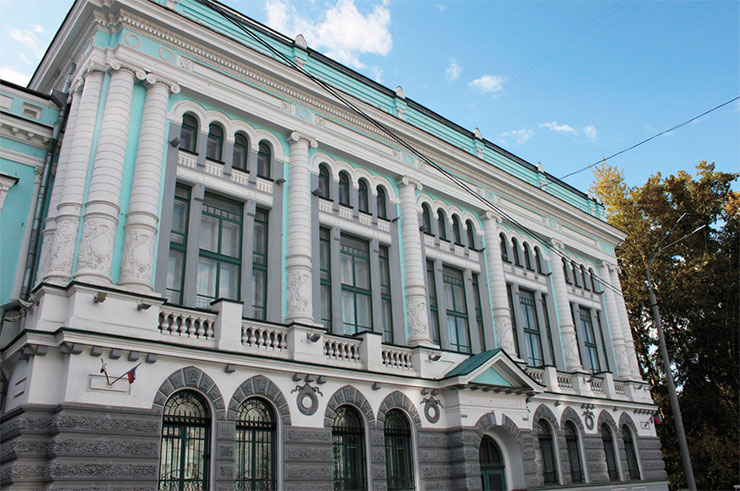
Librarians began to incorporate the printed books into the library holdings as early as in the Soviet times yet the medieval manuscripts remained almost untouched. None of Tomsk specialists were competent enough to work with such materials. The things finally moved forward in 2017, when a team led by the author launched a project in which several colleagues from Moscow and St. Petersburg took part. Our German colleagues also contributed invaluably to the project.
Some of the collection’s most interesting items are associated with the Hanseatic League, or Hansa, a powerful political and economic coalition of northern European cities, an alliance that existed for several centuries.
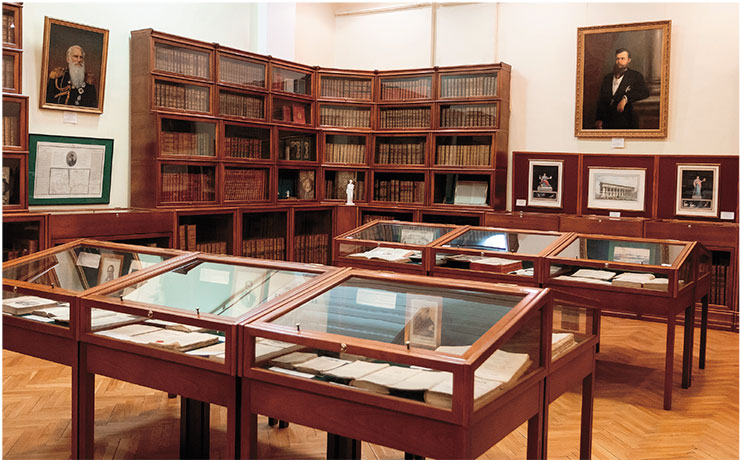
This part of the collection includes a voluminous (over two hundred) set of documents related to specific events: the 1367–1370 war between the coalition of North German cities (i. e., the emerging Hanseatic League) and the Danish king Waldemar IV Atterdag. Furthermore, it comprises two town books with entries dating from the 14th to the 16th centuries, which were kept by the city council of Lübeck, the most influential city of the League.
“The Hanseatic Queen”
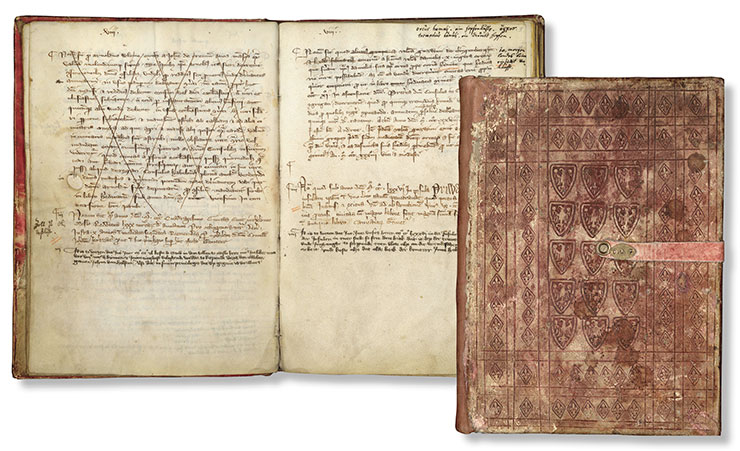
Of great value among the manuscripts now kept in Tomsk is the book of Lübeck’s city council, which was partly published in Germany as early as the 19th century. In historical literature it is known as the Memorialbuch (Liber Memorialis / ‘Memorial Book’).
This book, which was begun in 1318, consists of two roughly equal parts: records on the city’s economic life and on some of the city events and lists of members of the city council. The records date primarily to the first half of the 14th century while the lists were kept continuously until the mid‑16th century.
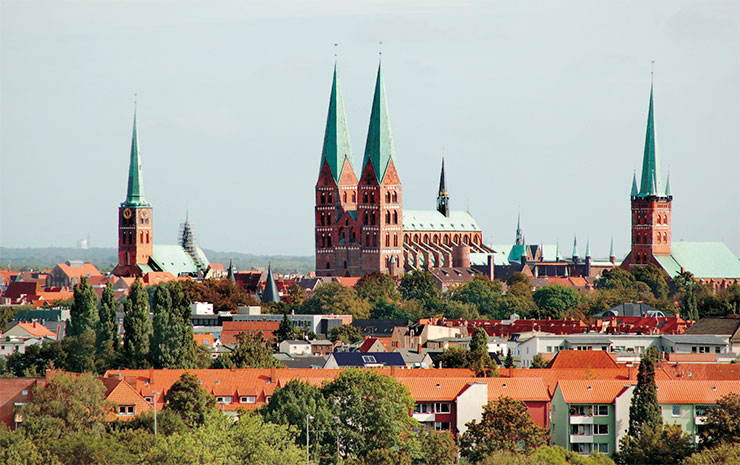
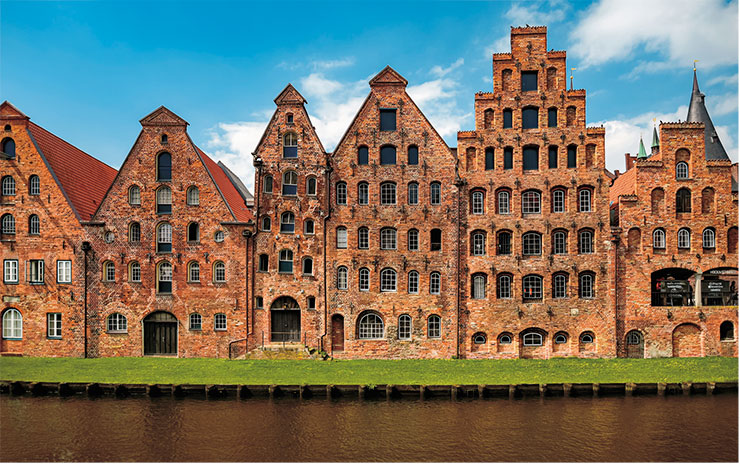
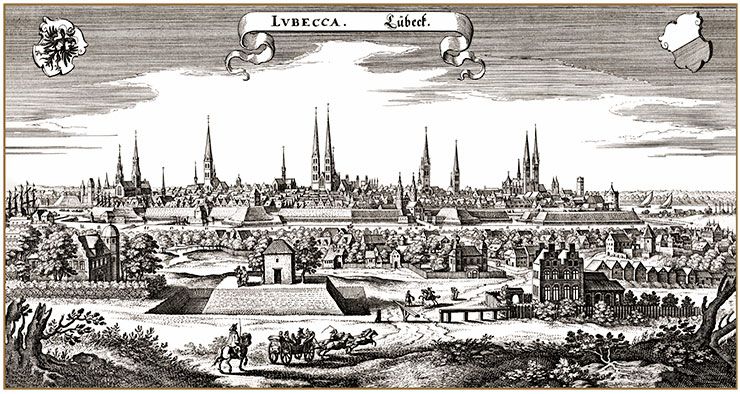
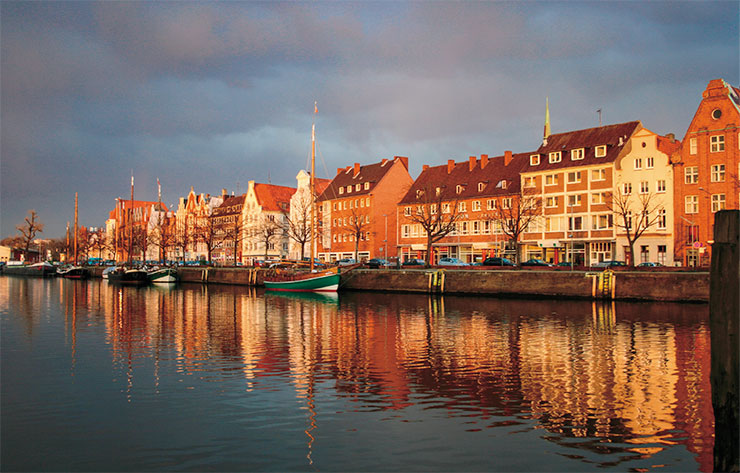
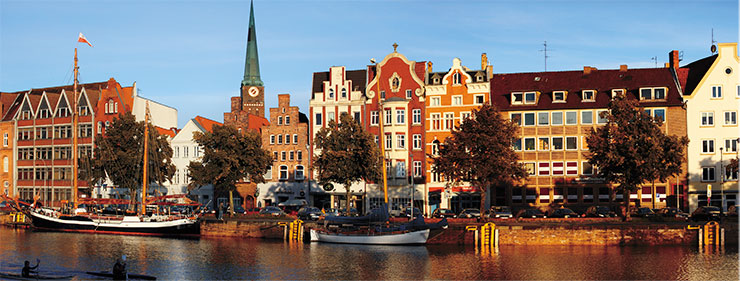
Medieval Lübeck was regarded as the principal city of the Hanseatic League for a good reason. Situated on the Baltic Sea, near the mouth of the Trave River, it provided a key trading hub as it was easier to transport goods from the Baltic coast to the West overland via Lübeck than to navigate the dangerous Danish straits. From the 13th century onward, Lübeck enjoyed the privileged status of a free imperial city, meaning that it was directly subordinate to the emperor rather than some local prince or count.
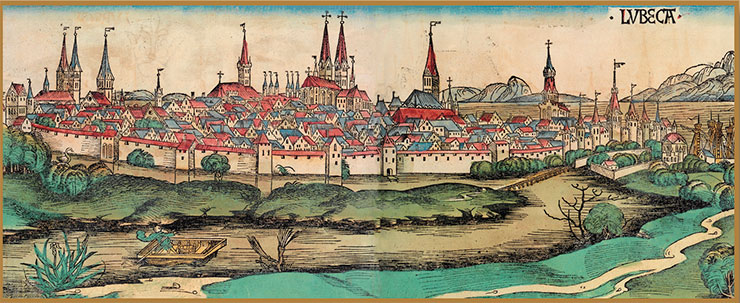
The Hansa, in its heyday, which began in the second half of the 14th century, embraced about 70 cities and towns, such as Stralsund, Wismar, Rostock, etc. From time to time, with varying frequency (sometimes every few months, sometimes every two or three years), the Hanseatic cities and towns would gather for an assembly called a Hansetag. These meetings were the center of decision-making in the Hanseatic League, which had no statutes or common funds. Most often, these Hansetage were held in Lübeck, the most influential city of the league.
For foreign trade, the Hanseatic League utilized its well-known Kontors, i. e., trading offices in the cities of Bruges, Bergen, London, or Veliky Novgorod (various versions of the laws (scra or schra) of the Novgorod office, called Petrov Dvor (curia sancti Petri), has survived to this day). There also were smaller branches, factories, and trading posts. This organization helped maintain the stability and security of trade and ensure compliance with laws and Hanseatic privileges.
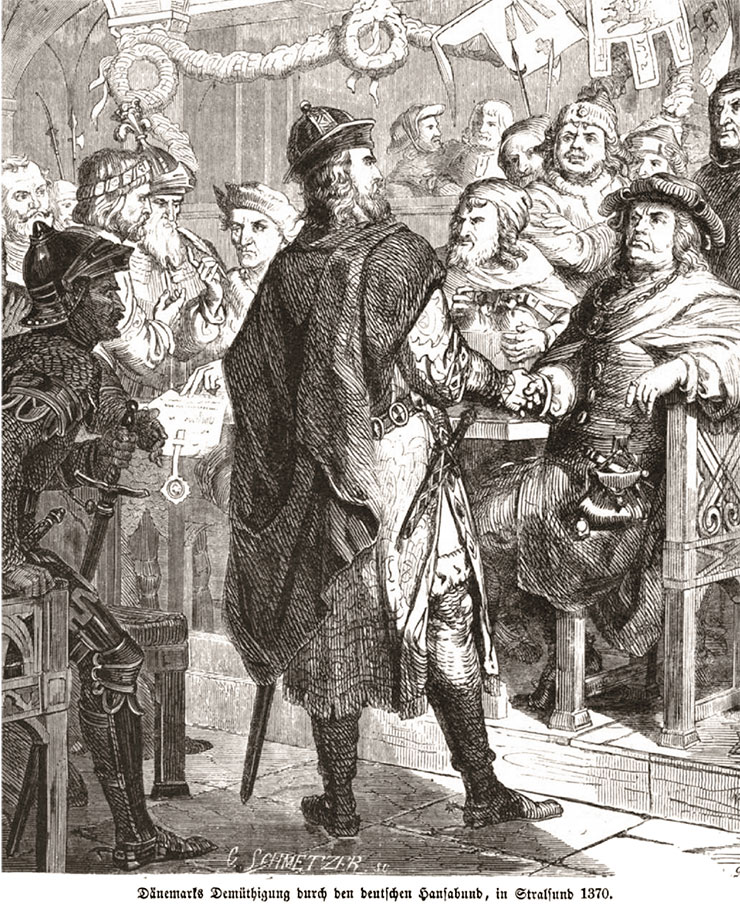
The Hanseatic League finally emerged during the war between the North German cities and Denmark in 1367–1370. The victory over the Danish king – a rising powerful competitor in trade – and the conclusion of the Peace of Stralsund in 1370 clearly demonstrated the effectiveness of the Hanseatic cities’ joint efforts to protect their interests. It was then, in the second half of the 14th century, that the Hansa’s golden age began, which lasted until the end of the Middle Ages
Unsurprisingly, Lübeck had a strong merchant class, whose representatives were elected to the city council, which typically consisted of two dozen people. This kind of self-governing bodies, with varying degrees of authority, existed in medieval Europe almost everywhere, regardless of whom a given city was subordinate to.
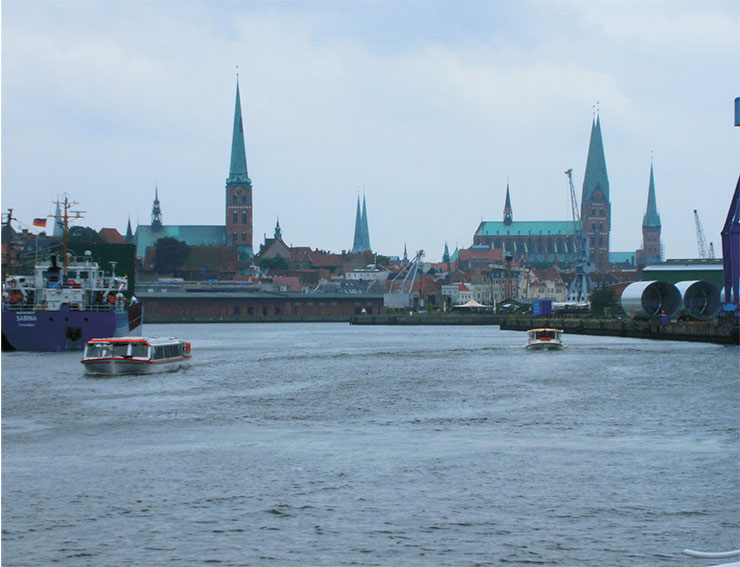
Members of the city council were called consules in Latin and Ratsherren in German (from the word Rat, meaning ‘city council’). We do not know how Lübeck’s council was formed in its early days, but in that period, the members of the council decided themselves who would take the seats of those who left (usually due to death). The city book contains unique information about the council members: several lists of names with the dates of election, dates of death, and other information. These records tell us a lot not only about the city’s rulers but, given the enormous political influence of the Hansa’s capital, about the history of the entire Baltic region.
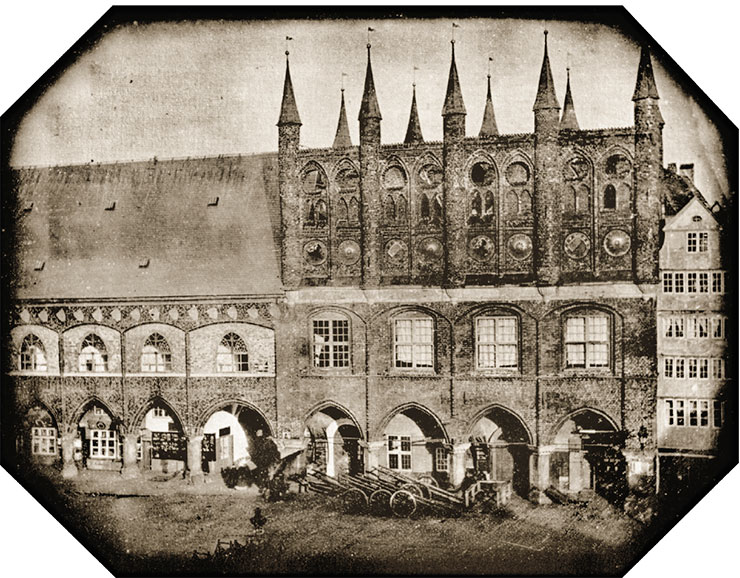
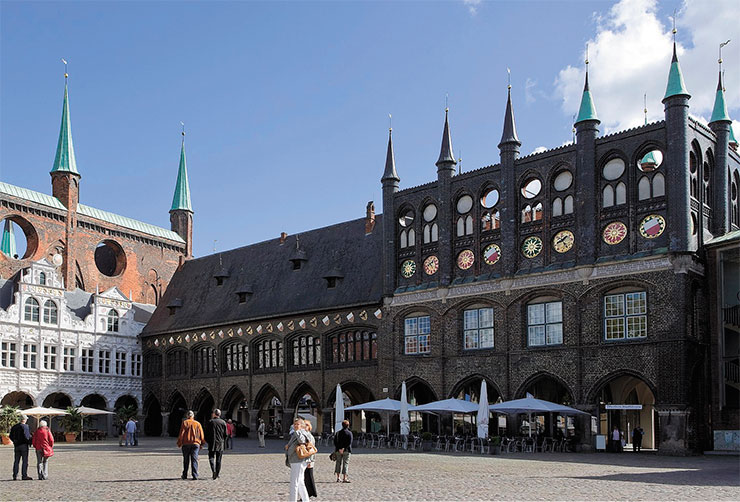
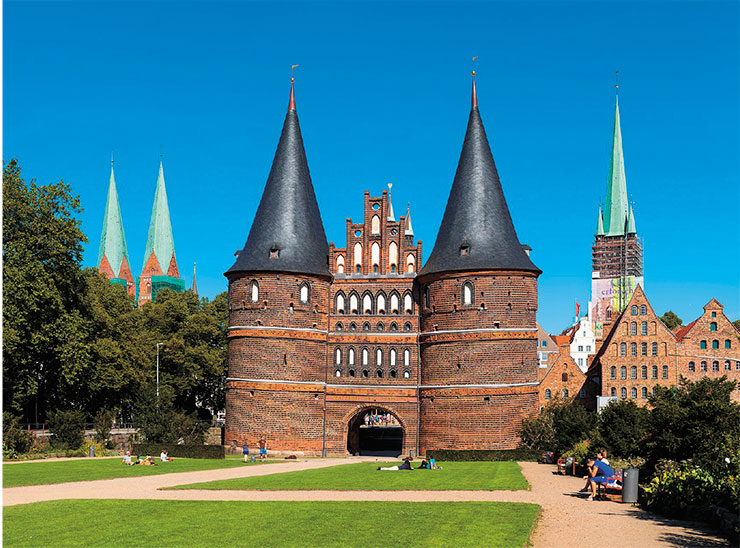
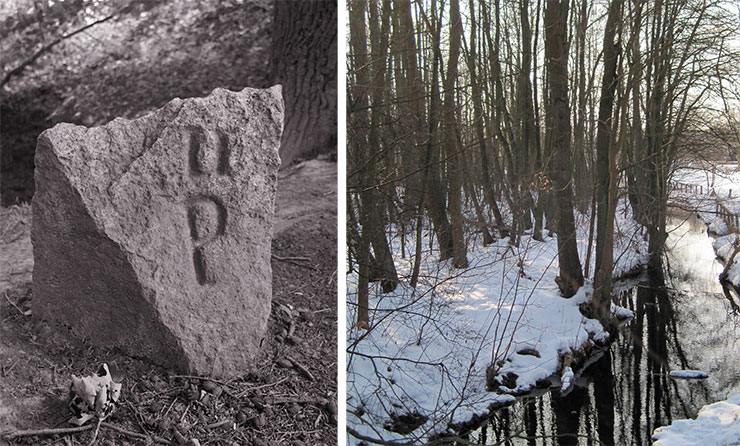
The records concerning Lübeck’s economic life vary greatly. Apparently, the book recorded everything more or less important to the city. The records contain some of Lübeck’s toponyms that we can still recognize today: a few street names; the Priwall Peninsula north of the city, at the mouth of the Trave River; the famous Holsten Gate (Holstentor) on the western side of the old town (the gate is so tilted that one calls it Lübeck’s leaning towers); and the Mühlendamm, a mill dam that still exists today. The manuscript also mentions the city’s border moat, marking the location of a portion of it. Precisely in these places one can still find either sections of the moat, filled with water (!), or clearly visible traces of it in the form of depressions.
Middle Ages: economic sanctions and the war tax
We can also learn many intriguing facts about the life of the medieval Hansa from the collection of documents related to the war between the nascent Hansa and the Danish king. They tell us about goods exported from Lübeck or imported from nearby cities.
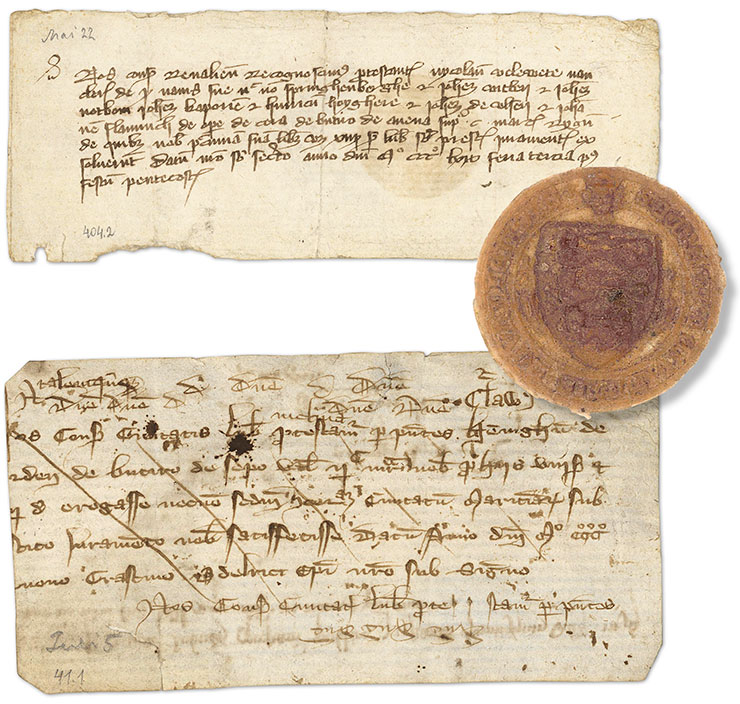
The documents contain, inter alia, evidence of medieval economic “sanctions,” namely, a given city would confirm the arrival of goods and pledge not to sell them to the lands of the Danish king. However, the vast majority of these small-sized documents are, in fact, poundage (Pfundzoll) receipts. This tax, essentially a percentage of the value of the goods in Flemish pounds, was imposed to cover military expenses.
The Confederation of Cologne – a military alliance formed in 1367 by Hanseatic and Dutch cities to combat the Danish kingdom – declared that if goods from one confederation city were brought for sale to another confederation city, one had to pay the poundage in the city of departure and submit the receipt in the city of destination. All the money and receipts were then brought to a general meeting of confederation members for subsequent recalculation and distribution.
This clever method allowed the cities to identify potential misappropriation of funds as the payment documents for the funds were in the custody of third parties. As it turned out, the collection of these receipts was unique – it had survived in Lübeck’s archives only.
The composition of the Tomsk collection of poundage receipts appears to be generally logical. The documents were kept in Lübeck, where the goods were brought for sale, and they were issued in other cities of the Baltic region, such as Hamburg or Reval (present-day Tallinn).
There is one inconsistency, however. The archives also contain 13 receipts issued in Lübeck itself, which, according to the regulations, were supposed to be kept in the cities of destination, the ones where the goods were shipped. Of course, the general meetings, where the merchants brought the money and receipts, were held in Lübeck, but then the archives should have preserved many more of these receipts.
Why are there so few of them? Moreover, judging by the German prewar archival lists compiled for these receipts, the small number of them is not due to losses as a result of World War II. There were 14 such receipts before the war, and one of them is still kept in Lübeck.
The ones we have are likely drafts or cancelled documents that were never sent. This is confirmed by entries in a poundage book preserved in the Archive of Lübeck, which duplicated data on the contents, volumes, and costs of goods and on the poundage paid. Comparisons between the information in the book and in the receipts revealed corrections or significant discrepancies in the value of the goods and the poundage paid. Some receipts also lacked the city seal on the back. These documents were likely replaced with others due to last-minute adjustments to product details.
Only two receipts, the sealed ones, stand as an exception: their details are fully consistent with those recorded in the book. Perhaps, these deals fell through due to force majeure. But it is not the busted deals that are surprising but the very fact that Lübeck’s people meticulously preserved not only actual payment documents but also those of no importance. Centuries later those invalid “scraps of paper” would become genuine historical documents. It is possible that, like in the modern practice of using the blank side of printouts, they were kept as scratch paper for draft notes – some of them were clearly used in this manner.
From Lübeck to Siberia
How did these manuscripts end up in Tomsk? It took a real investigation to find this out.
Maps of postwar Germany show Lübeck and Hamburg in the British occupation zone. Although Lübeck itself was located very close to the Soviet zone (at some point, within a half-hour drive to the checkpoint of the German Democratic Republic (GDR)), these cities were never under Soviet jurisdiction.
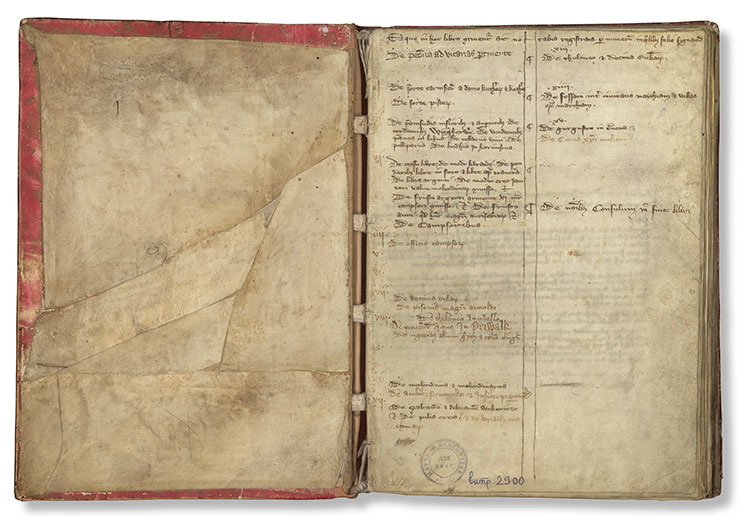
The explanation is simple: the Germans had evacuated these cities’ most valuable archives and libraries to the territory of the future GDR. For instance, it was decided to remove Lübeck’s valuables to a safe distance from the city after the devastating British air raid that occurred on the night of Palm Sunday, March 29, 1942. Fearing the British air force, the Germans hid the most valuable archival documents, library books, and manuscripts in the salt mines of East Germany.
By an irony of fate, the building of Lübeck’s archives survived the war, but its “treasure trove” ended up in the possession of the Soviet military administration. The valuables were sent first to Berlin and then by train to Leningrad, where they were housed in the premises of the State Public Library (now the National Library of Russia). Back then these premises were situated in the Peter and Paul Fortress and the Basilica of St. Catherine rather than the familiar historic building overlooking Nevsky Prospekt.
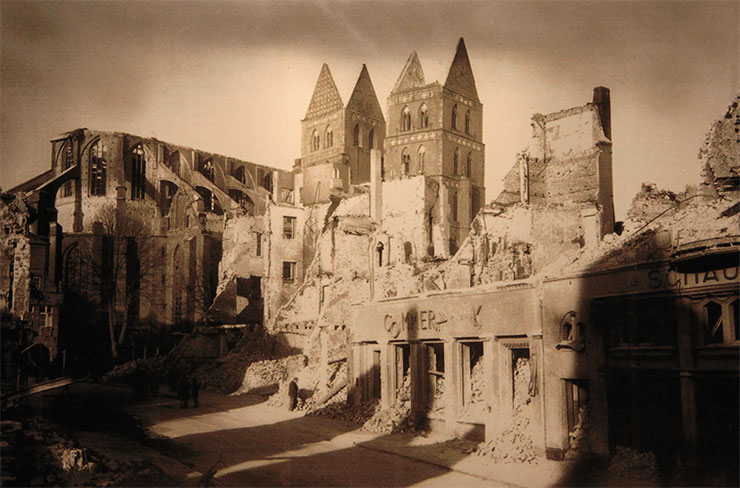
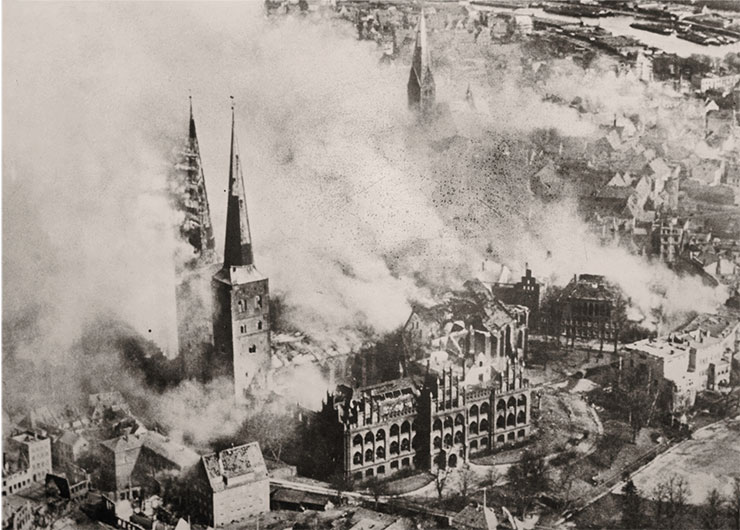
The fate of the manuscripts was complicated; it had been a subject of negotiations for decades, but they ultimately returned to their home cities and towns in exchange for other displaced cultural treasures. The story of these negotiations is an entire separate saga. However, due to various circumstances, some of the manuscripts and archival documents remained in Russia.
Article 4 of the Federal Law of April 15, 1998 N 64-FZ “On Cultural Valuables Transferred to the USSR as a Result of World War II and Located on the Territory of the Russian Federation” defines displaced cultural valuables as “cultural valuables transferred in the implementation of compensatory restitution from the territories of Germany and its former military allies – Bulgaria, Hungary, Italy, Romania, and Finland – to the territory of the Soviet Union by orders of the military command of the Soviet Army and the Soviet Military Administration in Germany and resolutions of other competent bodies of the Soviet Union and currently located on the territory of the Russian Federation.”According to Article 6a, “all displaced cultural valuables imported into the Soviet Union in the exercise of its right to compensatory restitution and currently located on the territory of the Russian Federation, with the exceptions provided for in Articles 7 and 8 of this Federal Law, are the property of the Russian Federation and are in federal ownership”
While the library and archival treasures from the Hanseatic cities were being transferred to Leningrad and later to Moscow, some of them must have disappeared under unexplained circumstances. All we know is that some of the manuscripts in public institutions were purchased from private individuals. For example, it was recently discovered that the Rare Books and Manuscripts Department of the Novosibirsk State Public Scientific and Technical Library SB RAS keeps three medieval charters from the city of Bremen, previously held in a private collection.
It is also known that in the late 1960s and early 1970s, when Hanseatic manuscripts and documents were preserved in the Central State Archive of Ancient Acts (Moscow), a dishonest employee committed a number of thefts, including from the Hanseatic collection. When authorities caught him red-handed, they found him in possession of 15 such manuscripts.
Today Russian state repositories also contain Hanseatic manuscripts and documents that were transferred exclusively via official channels. And so were the Tomsk medieval treasures. As it turns out, they arrived from Leningrad to Moscow, and then to Tomsk, as part of a substantial shipment of printed books from German libraries.
The reasons why this batch of books made such a “journey” were discussed in a semilegendary report published by the German magazine Der Spiegel in 1992. It turns out that these library treasures had never been properly sorted in Leningrad; moreover, one believed they were related to the Reich Chancellery. In the late 1970s, it was decided to hand over the books to the Academy of the USSR Ministry of Internal Affairs in Moscow. However, it turned out after the transfer that most of them were from the city library of Magdeburg. So it was decided to send the entire batch to Tomsk State University.
How did a few medieval manuscripts end up among the printed books? This remains unknown. The accompanying documents give no clue about the presence of any manuscripts. Furthermore, none of them are decorated with miniatures and the archival documents are of no interest to specialists in Russian history. So it is unlikely that anyone could have deliberately concealed these very items to avoid their return to Germany, something that was discussed as early as during the 1970s, even before the perestroika. It is highly likely that the manuscripts got into that batch by chance, e. g., due to a sorting error.
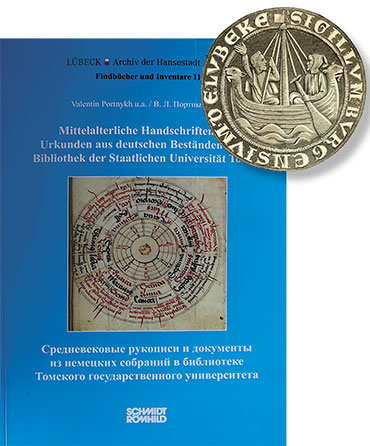
The German manuscripts and documents now kept at Tomsk State University were studied to prepare a catalogue as well as a series of publications dedicated to some of these historical sources The catalogue was conceived and written in both Russian and German and published in Lübeck.
When we were beginning to work with the manuscripts, we worried about potential obstacles arising due to political circumstances. But we were pleasantly surprised that our German colleagues were in comfort with the fact that manuscripts falling under the 1998 law “On Cultural Valuables Transferred to the USSR as a Result of World War II and Located on the Territory of the Russian Federation” remained in Russia; they never raised any concerns about transferring the treasures to Germany. Notably, we would not have been able to catalogue the manuscripts and documents without the invaluable support of our German colleagues.
The main task now is to continue studying the displaced Hanseatic valuables, many of which remain unexplored. To paraphrase the classic, we become responsible for what we have obtained; no matter if it was a compensation for the damage inflicted by the war on our country’s cultural heritage.
References
Agishev S. Yu. Norwegian Middle Ages in Siberia. Charter of King Haakon V from the Collection of the Research Library of Tomsk State University. Moscow: Academia, 2021 [in Russian].
Akopyan O. L. Astrological and astronomical collection of the early 16th century from the library of Tomsk University // Dialog so vremenem. 2022. N 78. P. 276–292 [in Russian].
Dollinger Ph. The German Hansa. Stanford: Stanford Univ. Press, 1970.
Mazuritsky A. M. Book Collections of Russia and Germany in the Context of Restitution Processes. Moscow: Mos. Gos. Univ. Kul’t. Isk., 2000 [in Russian].
Portnykh V. L. How medieval manuscripts from Germany transported to the Soviet Union after 1945 could end up in private hands? About a 15th-century manuscript from the Russian State Library // Srednie veka. 2023. N 84/1. P. 166–184 [in Russian].
Portnykh V. L. Displaced materials of German origin in Tomsk State University Library // Nauchnye i tekhnicheskiye biblioteki. 2024. N 4. P. 13–37 [in Russian].
Portnykh V. L. and Squires C. The fate of displaced medieval manuscripts and documents from the Hanseatic cities // Vestnik S.-Pb. Gos. Univ. Istor. 2021. N 66(4). P. 1334–1348 [in Russian].
: 3 Jul 2026 , To the Arctic in a balloon , volume 71,
N1