
 : 31 Oct 2026 , Academician Dobretsov: On the Crest of the Plume , volume 72,
N2
The Planet’s Long Youth
Origin and Evolution of Life on Earth: The Beginning
“Beginning” often means something from the old, distant, and forgotten past, like the childhood. This meaning is however poorly applicable to the evolution. The “childhood” of the biosphere ended not very long ago on the evolution time scale, presumably with the advent of metazoan organisms; the “eyewitnesses” and “participators” of that event are still living, safe and sound. For some reason, people find the crossopterygians much more impressive living samples of the fossil world than the fine filaments of blue-green spirulinas, though the latter, modest cyanobacteria, have remained true to themselves through the billion-years long history of the Earth…
This article by N. L. Dobretsov (1936–2020)
was first published in Russian and English
in the journal SCIENCE First Hand in 2005
Any general problem concerning the origin and mode of life of the earliest biota is sure to lead scientists, whatever be their field, to microbiology, the science that studies the first Earth’s inhabitants who left their signature in the fossil record.
The highly organized metazoans such as people have to admit the priority of bacteria as the basic population of our home planet to which the other organisms make just a later “supplement”.
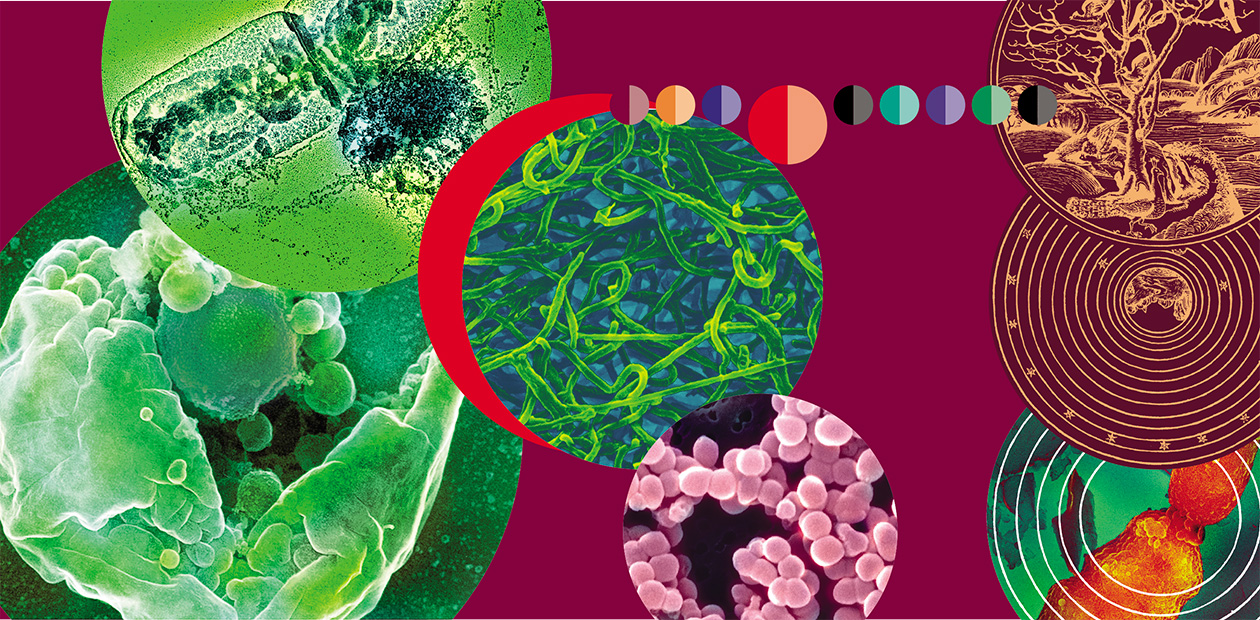
Zavarzin, a well-known Russian microbiologist (Zavarzin, 1999; 2001; 2003), suggests that the bacterial world either has escaped evolution (in its common meaning) or took some different evolutionary paths than the multicellular plants and animals. This hypothesis appears controversial and thus especially fascinating.
Earth’s Alive Carbon
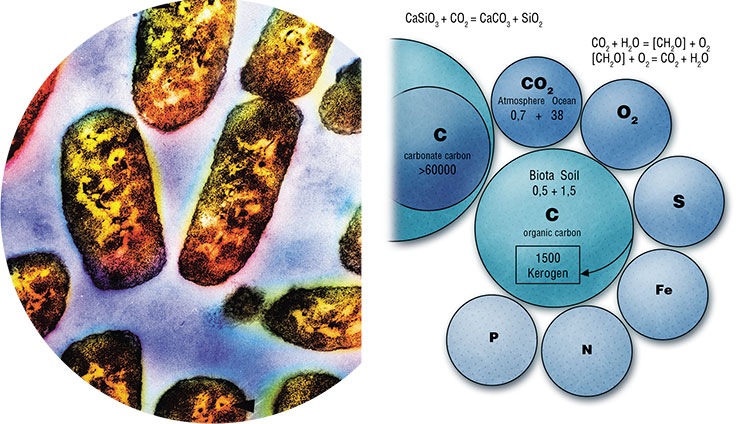
Bacteria supply over a half of the Earth’s total biomass (from 50 to 90 %, according to different references). They are land and marine dwellers, symbiotic bacteria in eukaryotic organisms (e. g., in the digestive tracts of herbivoral animals), and extremophile prokaryotic biota of such incredible habitats as hot springs, geysers, or even nuclear reactors. Oceanic microbial organisms that live mostly within 200 m below the water surface and near the bottom make up at least one third of the total biomass (0.15•1018 g of total 0.5•1018 g organic carbon) (Zavarzin, 2003; Vinogradov, 2004). The biomass of land bacteria is comparable with that of plants.
Yet most of organic carbon, estimated in terms of the global budget of oxygen, carbon, and other elements in related biogeochemical cycles, occurs in kerogen rather than in living organisms. Kerogen is fossil organic matter further converted into oil, bitumen, or coal. This is “dead” biomass put beyond the biospheric turnover. The mass of kerogen is three orders of magnitude as great as the global living biomass: The greatest portion of organic carbon becomes irreversibly lost from the biosphere (Zavarzin, 2003).
The Earth’s carbon exists mostly as inorganic carbon in carbonates (CaCO3, CaMg(CO3)2, etc.). The carbon cycle is thus primarily carbonate, taking a mass five orders of magnitude greater than in the biogeochemical cycle which is responsible for a minor portion of the total carbon turnover (Dobretsov and Kovalenko, 2001). However, the living organisms bring in a significant correction to this balance because the total annual amount of carbon involved into the much faster biogeochemical cycle is not very different from the carbon budget in erosion-deposition cycles (Lein, 2004).
Which microscopic organisms launched those geochemical processes over 3.5 billion years ago? Before we set off in a tour to the world of bacteria, it is pertinent to go back to the foundation of life on the Earth.
The Story Began with RNA
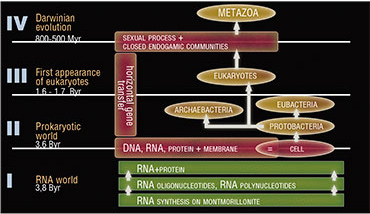
The beginning, 3.8 Byr ago or earlier, was marked by the onset of independent RNA or ribonucleic acid (Gilbert, 1986; Joyce, 2002; Spirin, 2002). Experiments proved that its short polymeric macromolecules (oligonucleotides) can develop immediately upon montmorillonite, a common clay mineral which was the basic constituent of clay on the surface of the primordial Earth (Ferris and Ertem, 1993; Ertem, 2004).
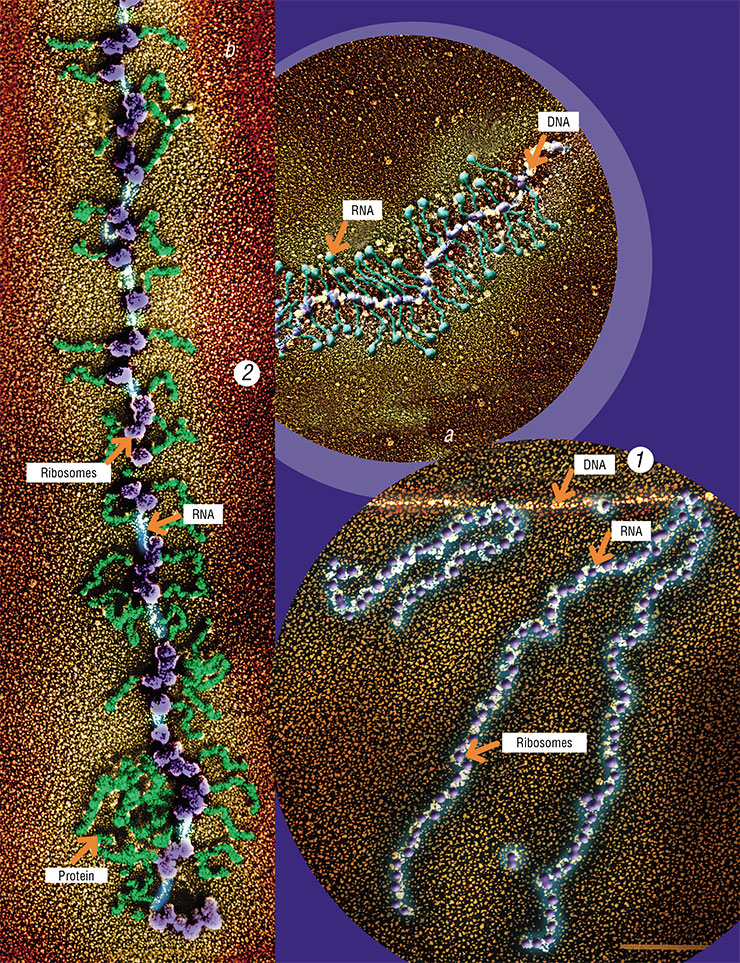
Once formed, oligonucleotides can have grown longer (Morozov et al., 1993; Chetverin, 1999) to make basis for the synthesis of primordial proteins (Zhang and Cech, 1997; Lee et al., 2000) and enzymes (Trifonov, 2000). Proteins probably preceded living cells and occurred in the prebiotic soup or in clay-covering films together with primordial RNA.
The ability of RNA to develop colonies upon gel or solid substrates (Chetverin and Chetverina, 1993) or to reproduce in the appropriate conditions, like bacteria, was studied in experiments at the Institute of Protein (Moscow). Remaining in contact with the ambient medium, RNA colonies become easily involved in transgenesis, which is possible even through air. RNA colonies upon montmorillonite, with a water film on the surface, may have been the earliest non-cellular systems that turned to evolution.
Molecules in those systems could have been in charge of different functions, such as proliferation or building structures for successful being (e. g., uptake of elements from the environment), etc. The modern views associate all basic processes in a living cell (whatever their rates!) with the available RNA of various types. Molecules provided with enzymatic activities necessary to complete self-reproduction of the RNA matrix apparently originated in a non-cellular medium by selection from the pool of random RNA (Unrau and Bartel, 1998; Johnston, et al., 2001).
The famous triplet “DNA – RNA – protein” made its first appearance at a later evolution stage, presumably about 3.6 Byr ago (Joyce, 2002). This is the point where we face the challenging problem of the origin of the cell or, specifically, its membrane which made it isolated.
Where was the turning point and how did the transition occur? There is a nonzero probability of extraterrestrial origin of life (Gol’dansky and Kuz’min, 1989; Nisbet and Sleep, 2001; Parmon and Snytnikov, 2004). Then, life can have been transported through the cosmic space, rather as short RNA nucleotides frozen into the ice (Anders; 1989; Chyba and McDonald, 1995) than as finished forms (microorganisms). If it was so, the cycle of synthesis upon montmorillonite, inception of DNA and protein, and emergence of cells resumed each time once the conditions became favorable …
To Pass Rubicon
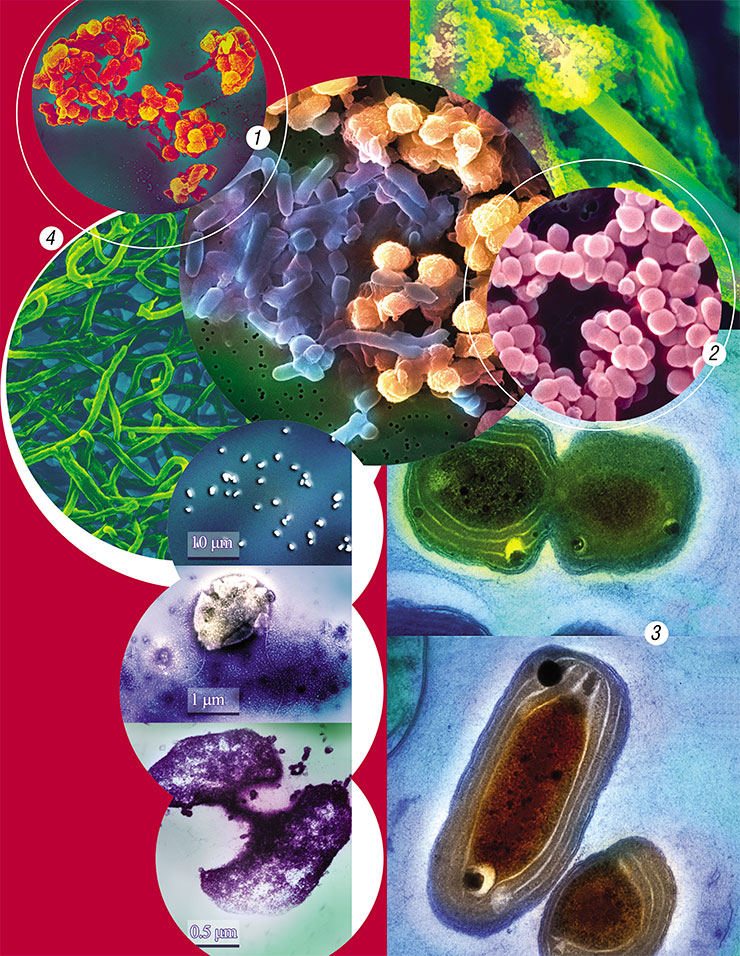
Quite “soon” after the living cell had made its first appearance, the RNA world turned into a new dimension associated with the advent of bacteria. The question which bacteria came first remains controversial. It was hypothesized that some simple ancestral form, protobacteria, gave rise simultaneously to the independent forms of prokaryotes (bacteria, or eubacteria, and archaebacteria) and eukaryotes (Pace, 1997). There is ample evidence that eukaryotes postdated prokaryotes, but the place of archaebacteria is still being debated.
Archaebacteria were attributed to a dead end of the evolution which finally occupied habitats of extremely high temperature, acidity, radiation, etc. (Zavarzin, 2001). An alternative view, consistent with data on the evolution of ribosomal RNA (Yusupov et al., 2001; Caetano-Anolles, 2002), placed archaebacteria at the root of the life tree (Martin and Russell, 2003; Vorob’eva, 2004). This priority is supported by plain logic as archaebacteria are the only organisms able to survive in the harsh environment of the primordial Earth.
The following stage was associated with the inception of eubacteria which were originally almost all chemotrophic and heterotrophic (primitive autotrophic bacteria, an equivalent of phytoplankton, might have arrived earlier, as indicated by the fossil record). Note that no communities which would consist uniquely of archaebacteria or eubacteria, closed in all known biogeochemical cycles and capable of unlimited long existence have been so far discovered. The common and best balanced communities are mixed ones in which organisms distantly related in origin have the most intimate relations in the food web.
Eukaryotes – unicellular or multicellular organisms that have membrane-bound cell nuclei
Heterotrophs – organisms that require organic substrates to get carbon for growth and development
Autotrophs – organisms that produce organic compounds from carbon dioxide as a carbon source, using either light or reactions of inorganic chemical compounds as a source of energy
Chemotrophs – autotrophic organisms that synthesize organic carbon obtaining energy by the oxidation of inorganic compounds
The modern bacteria keep living and evolving in the same way as their ancestors and in a way quite different from that of the eukaryotic world we belong to …
Unsteady Steadiness
Though morphologically very simple, bacteria show extremely large biochemical diversity, as great as to make microbiologists admit the lack of uniform classification principles for the microbial world. The available classifications are poorly consistent with one another and far different from the regular family trees of higher organisms (Zavarzin, 1999; 2001; 2003).
The taxonomic controversy of bacteria prompts scientists to think of horizontal gene transfer and hypothesize some particular web-like evolution of bacteria. Horizontal gene transfer allows relatively fast metabolic changes within a single bacterial cell, whereby genes become redistributed among cells but the total gene pool remains invariable. This may be the reason why the evolution of the bacterial community as a whole is so slow (Sergeev et al., 1996; Rozanov and Zavarzin, 1997) though each separate microbial organism can evolve very rapidly. Then, the very concept of species appears controversial when applied to bacteria. Yet, the bacterial world shows some regularity as well, with quite distinct morphological and biochemical groups of microbial organisms.
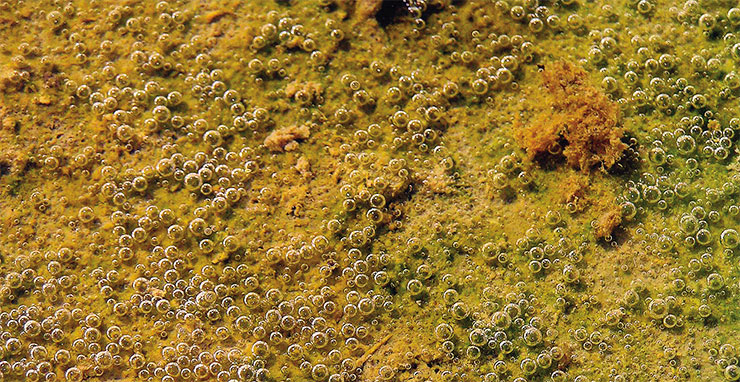
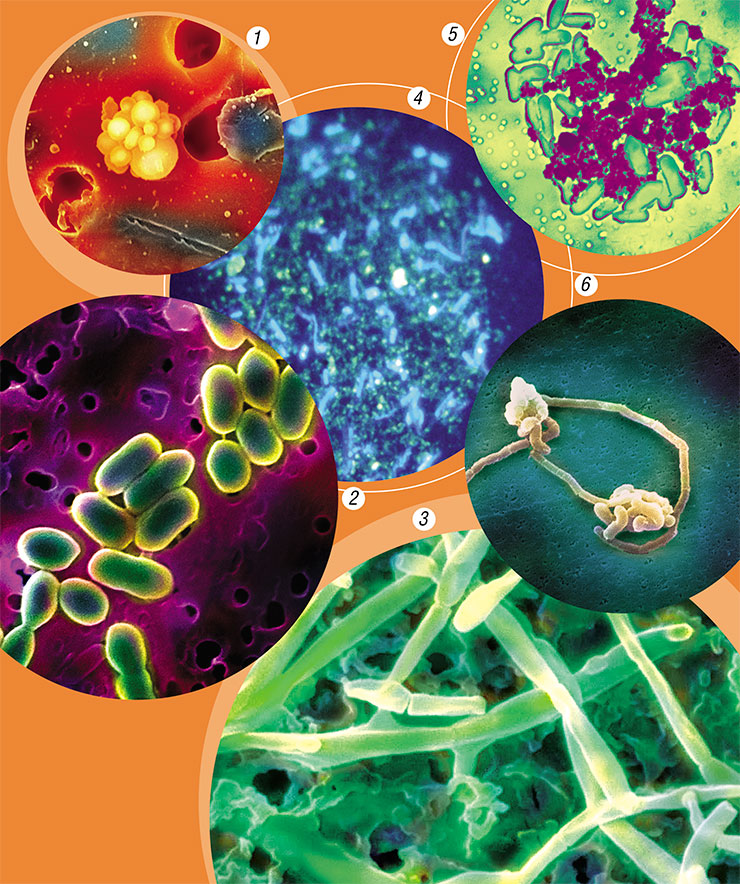
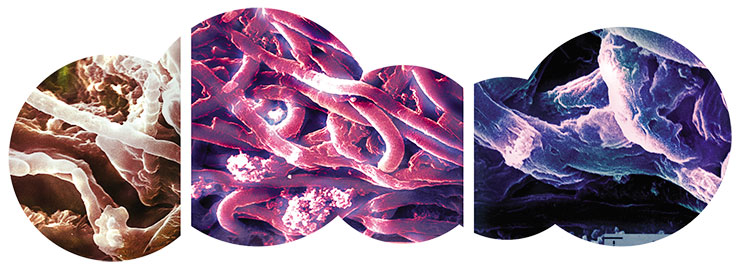
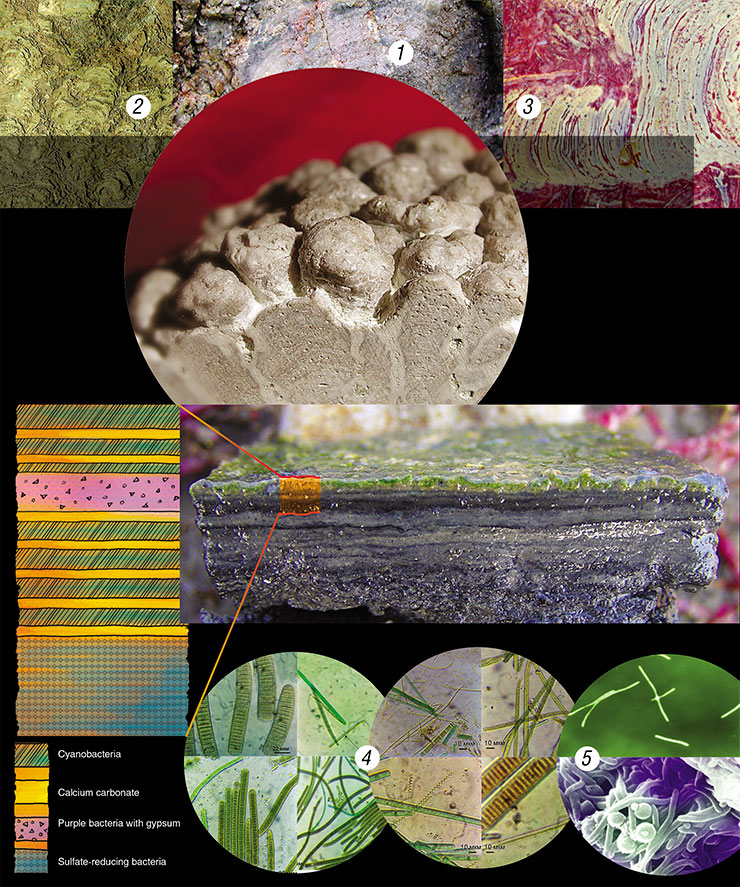
Cyanobacteria, whose imprints on rocks are largely found everywhere, constitute a group especially important for the biosphere. They made their first appearance about 3.6 Byr ago and peaked 2 and 1 Byr ago (Sergeev et al., 2002). Those photosynthetic autotrophs built special bacterial mats, a sort of thick carpets consisting of several functionally differentiated layers. In the modern mats, cyanobacteria occupy the oxic upper layer, and heterotrophic anaerobic bacteria live below in anoxic conditions (Rozanov and Zavarzin, 1997). But, why not taking the scheme upside down? Then, the earliest sulfate-reducing and methanotrophic bacteria from the “normal” lower layer may have contacted the reducing environment while cyanobacteria evolved in special oxic “pockets” inside.
Being exotic at present, cyanobacterial mats were the principal biomass producers in the Earth’s early years and the early prokaryotic biomass far exceeded that of the modern biosphere. Fossilized remnants of those mats make up thick sedimentary sections of stromatolites (Rozanov and Zavarzin, 1997).
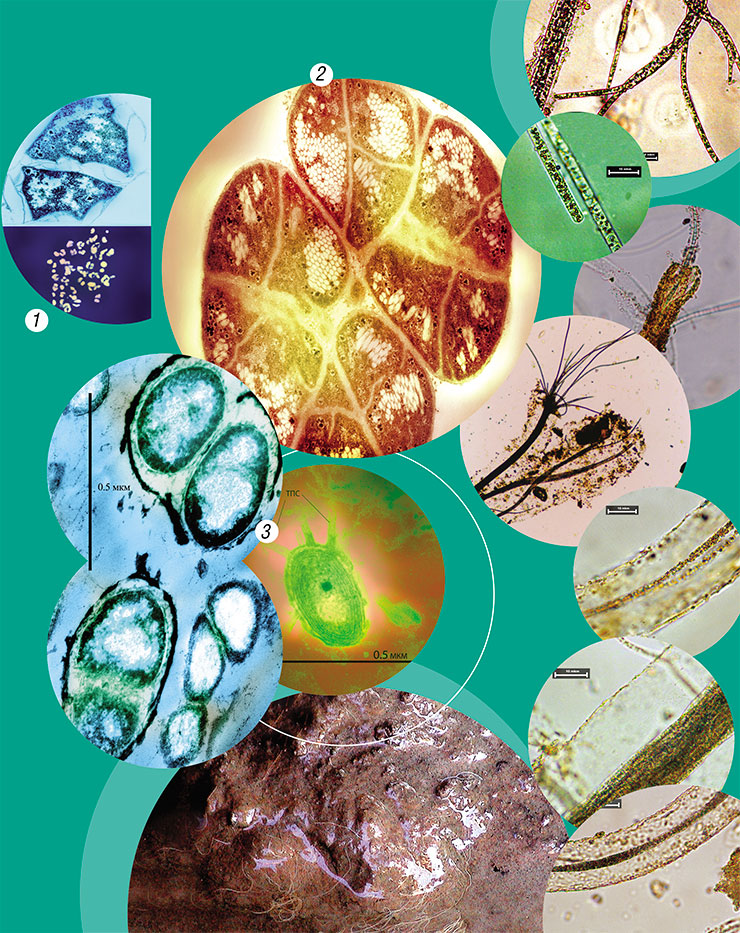
The acme of cyanobacteria coincided with the passage from reduced to oxidized rocks, i. e., they evolved in a quite highly oxidized environment with free oxygen in the atmosphere (Zavarzin, 2001; 2003). Which prokaryotes were the dominant Earth dwellers before cyanobacteria?
Doing without Sunlight
Most of the living organisms would hardly like the methanic atmosphere with minor ammonia and hydrogen sulfide as it was in the early Earth, yet it was suitable for the ecosystems of that time dominated by methanotrophic bacteria and archaebacteria.
Those ecosystems have no absolute equivalents in the modern world but approach the biota of black smokers. Black smokers occur in the zones of mid-ocean rifts where hot (300–400 °C) gases seep through vents in faulted oceanic crust, heat up the water and saturate it with hydrogen sulfide, methane, and metal sulfides. The conditions are favorable for chemosynthetic microbial life which develops profusely in the surroundings of black smokers.
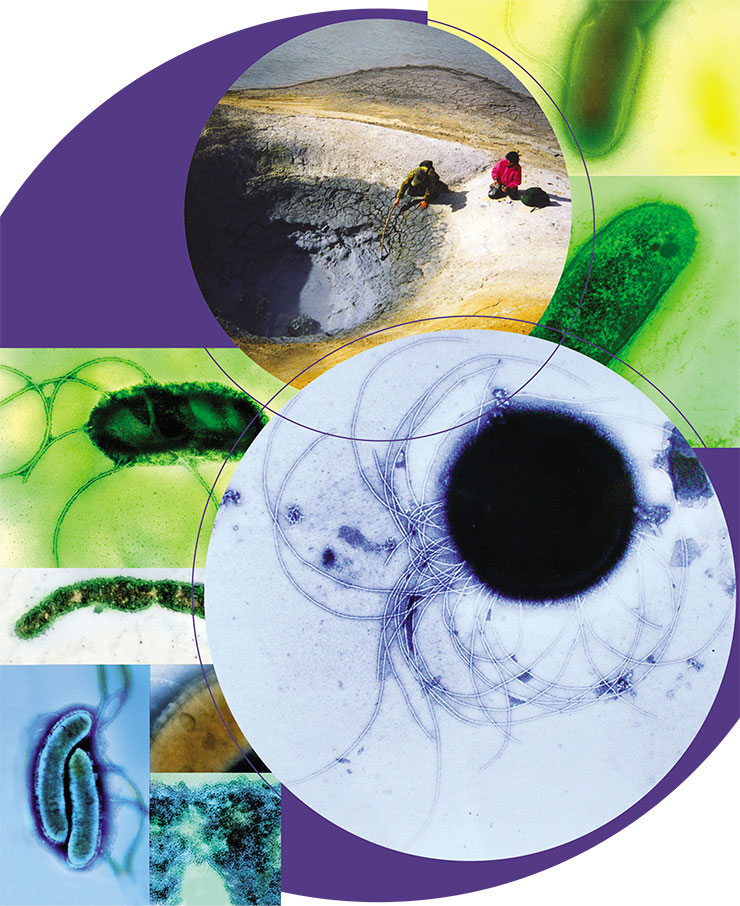
Chemosynthetic bacteria in this environment live in symbiosis with puzzling tubeworms called vestimentiferans, and largely occur in the trophosome of the latter, an organ making a great part of their body. Vestimentiferans take up methane and hydrogen sulfide and transport them, together with oxygen, through their blood system in which hemoglobin absorbs both oxygen and hydrogen sulfide, oxygen being bound with heme and hydrogen sulfide with the protein part of the hemoglobine molecules (Malakhov et al., 1997; Malakhov and Galkin, 1998). Similar or even simpler symbiotic relationships with chemosynthetic bacteria are found in other eukaryotes (clams, mussels, shrimps, tubeworms, etc.) which have adapted to live near black smokers.
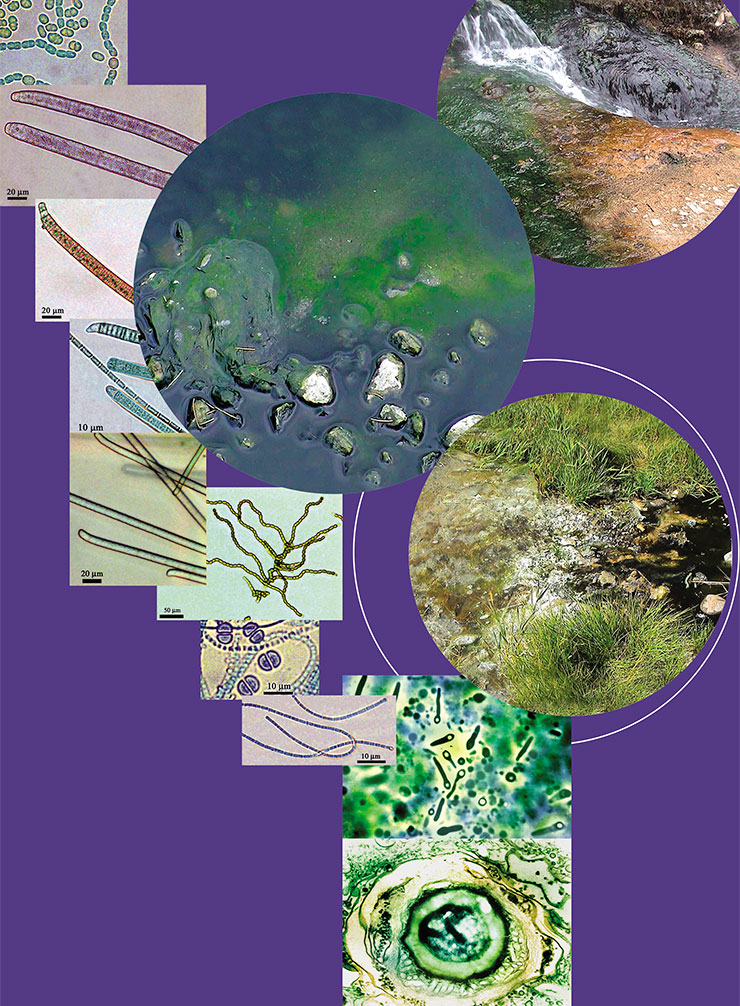
Many places on the Earth keep memory of environments from the most distant past: hot vents, highly saline lagoons or alkalic lakes …
These modern counterparts of Proterozoic and Archean habitats are still home for diverse prokaryotic life
The environment of black smokers is very conservative. Those oases of bacterial life have kept the memory of the early Earth through millions of years. Note that the specific (per unit area) biomass of the oceanic chemosynthetic ecosystems is tens of times as great as that of the land ecosystems. Chemosynthesis, thus appearing more successful than photosynthesis, predominated at the dawn of the Earth’s evolution, and photosynthesis came into play after all methane and hydrogen sulfide had been used up (Dobretsov, 2004).
The Birth of Venus
The appearance of eukaryotes about 1.6–1.7 Byr ago was the following milestone in the organic evolution. That was the time when numerous abiotic (geological) events changed the physics and chemistry of the environment and must have influenced the biotic evolution. The particular mechanisms of this control remain, however, speculative (Zakrutkin, 1993; Rozanov and Fedonkin, 1994; Fedonkin, 2003; Hengeveld and Fedonkin, 2004). Eukaryotes possibly gave rise to several living forms at once, namely to heterotrophic and autotrophic organisms, the proto-phytoplankton (Schopf, 1983; Knoll, 1994; Sergeev et al., 1996; Cavalier-Smith, 2002). More so, they brought about sexual reproduction.
Reproduction in prokaryotes is commonly asexual, through simple cell division (binary fission). However, they show a variety of parasexual processes (transformation, conjugation, or transduction, etc.) where DNA is transferred between cells, though these mechanisms are optional and restricted to extreme conditions (Prozorov, 2002). Thus, parasexual reproduction in bacterial populations just enlarges the resources of variability.
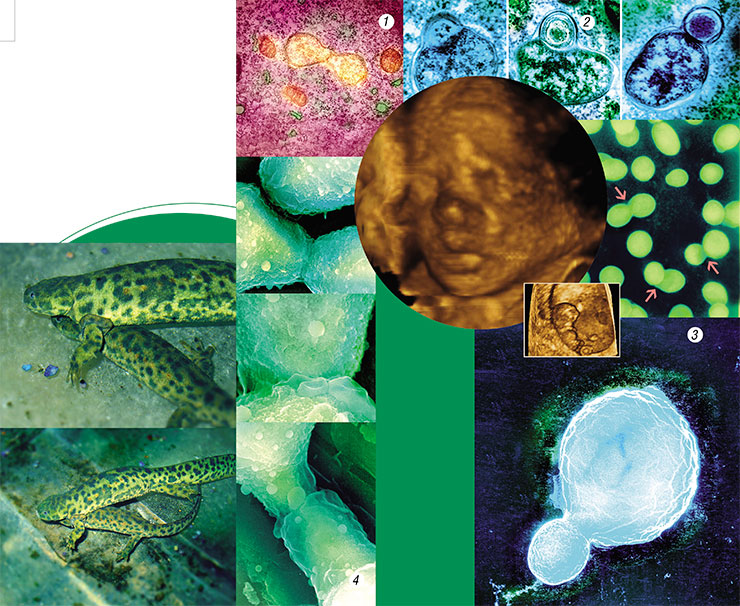
Unlike prokaryotes, reproduction in most eukaryotes follows gene transfer associated with the sexual process (Cavalier-Smith 2002; Solari, 2002) which is the principal way to maintain variability. Asexual reproduction mechanisms found in some groups of eukaryotic organisms mostly serve for proliferation of biomass (parthenogenesis in plant louse or vegetative reproduction in plants) or for reproduction in harsh conditions where individuals have very little chance to meet a sexual partner (parthenogenesis in lizards or apomixis in plants) (Vasil’ev et al, 1983; Ruvinsky, 1991).
Thus the date of 1.65 Byr ago marks a crucial point in the evolution of biodiversity followed by millions of years long dominance of sexual reproduction which became the key factor of speciation and gave rise to closed endogamic communities (Starobogatov, 1985; Ruvinsky, 1991). Therefore, sexual reproduction was possibly responsible for the very appearance of metazoan animals, almost all characterized by reproduction closed within separate taxa.
Between two Worlds…
The genome size in first multicellular eukaryotes almost redoubled relative to that in prokaryotes and the number of genes increased drastically (from a few hundreds to 30,000-40,000). Note that the structural complexity is proportional to the genome size and the number of genes in prokaryotes but not in eukaryotes. Compare, for instance, the genomes of the Drosophila fruit fly and the simpler worm Caenorhabditis elegans with 13,600 and 19,000 genes, respectively, and the roughly equal genome sizes of humans and Fugu pufferfish (Carroll, 2001; Taft and Mattick, 2003). This may be the basic regularity behind the fork point where prokaryotes and eukaryotes took different evolution paths: The relationship of progress and genome size has worked so far in the former but has almost lost control since some time in the latter.
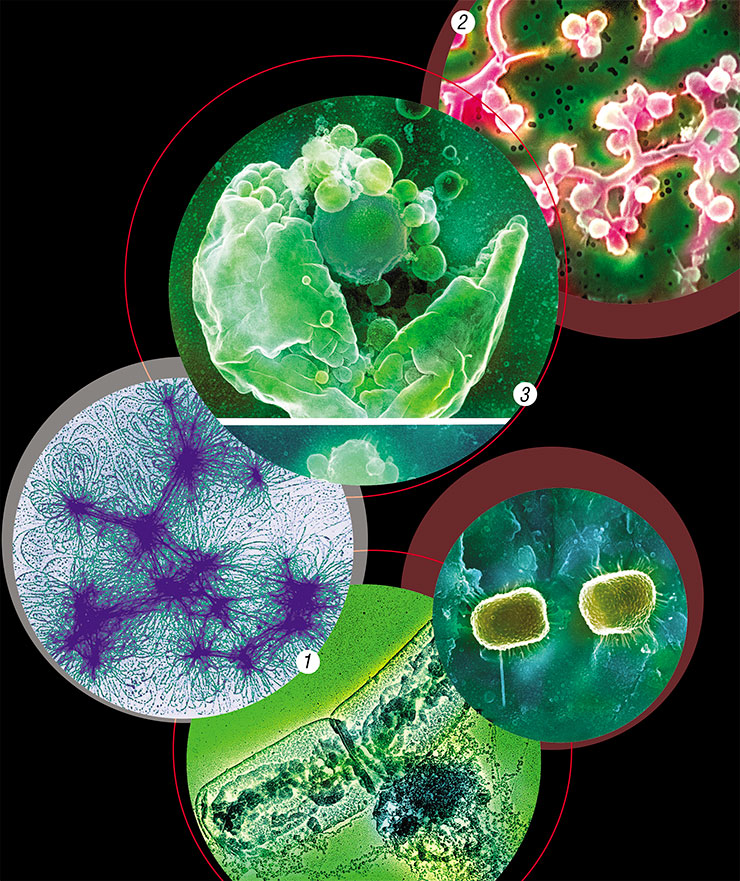
The issue of the two strategies is evident. The eukaryotic world which followed the Darwinian evolution gave rise to numerous complex forms of extinct and living organisms with Homo sapiens atop, while the invisible microbial world with its own evolution laws and functional diversity keeps its place at the base of life on the Earth.
Nobody knows why simple cell division gave way to sexual reproduction and why one world gave way to the other.
The questions which may appear naive but are really challenging …
References
Dobretsov N. A. The beginning and evolution of life on the Earth, Vestnik VOGiS. 2005. V. 9, N 1. P. 43–54.
Publications on the origin and evolution of life in SCIENCE First Hand:
Berdnikov V. A. Complexity as a Measure of Evolutionary Progress. 2004. N 0. P. 70–77.
Vlasov V. V. and Vlasov A. V. Life Began with RNA. 2004. N 2. P. 6–19.
Derevyanko A. P. Man Walks the Earth. 2005. N 1. P. 18–26.
Dobretsov N. L. Known and Unknown in Evolution. 2004. N 0. P. 8–19.
Zavarzin G. A. Microbes: Keeping it Going. 2004. N 1. P. 21–27.
Inge-Vechtomov S. G. Searches for a Periodic System... in Evolution. 2004. N 2. P. 20–25.
Kanygin A. V. In Praise of Catastrophes. 2004. N 1. P. 29–39.
Kolchanov N. A. Trapping Nets of Evolution. 2004. N 0. P. 60–69.
Parmon V. N. Natural Selection among Molecules. 2004. N 0. P. 32–41.
Parmon V. N. and Snytnikov V. N. Does Life Create Planets? 2004. N 0. P. 21–31.
Rozanov A. Yu. From the Cambrian to the Creation. 2005. N 1. P. 6–17.
Shestakov S. V. Transgenic Relatives. 2004. N 2. P. 26–31.
Yushkin N. P. Born from crystals? 2004. N 0. P. 43–54.
The author and the editors appreciate the aid of G. A. Zavarzin, M. I. Prokof’ev and their colleagues (Vinogradsky Institute of Microbiology, Moscow), T. I. Zemskaya and her colleagues (Limnological Institute, Irkutsk), E. V. Kiseleva (Institute of Cytology and Genetics, Novosibirsk), V. V. Makarikhin (Institute of Geology, Petrozavodsk, Karelia), A. A. Makhotin (Center of New Medical Technologies in Akademgorodok, Novosibirsk), and V. K. Kovalev (Internet Journal Vitawater)
: 31 Oct 2026 , Academician Dobretsov: On the Crest of the Plume , volume 72,
N2